
SAP is the foundation. Clockworx closes the gap around it.
SAP does what it was built to do. The trouble starts in the space between SAP and everything else: the spreadsheets, emails, partner systems and manual workarounds that quietly run the business. Here are eight short reads on where that gap shows up, and how an orchestration layer closes it.
1. Why is data still re-entered between systems?
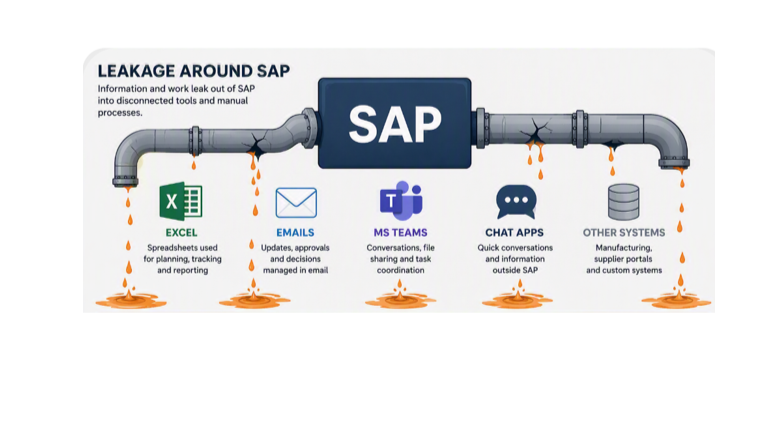
The implementation is finished, users are trained and the system is live. A few months later, planners are running critical decisions from spreadsheets again. The cause is rarely SAP itself. It is leakage: processes, decisions and information flowing outside the systems meant to manage them.
- Manual spreadsheets driving key decisions
- The same data typed in more than once
- Exceptions handled in email chains
- Undocumented workarounds and shadow systems
Leakage is expensive: excess stock, shortages, late production and falling trust in ERP data. Closing it starts with visibility across systems, which ERP data alone cannot give you.
Clockworx doesn't replace SAP, Teams or Excel. It orchestrates the information, decisions and actions that move between them.
2. SAP is powerful. Does everything really need to be built inside it?
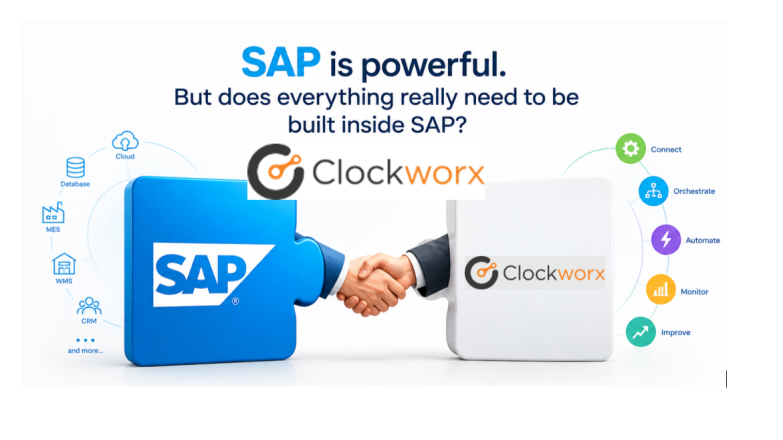
ERP never lives alone. MES, WMS, CRM, legacy applications, IoT and spreadsheets all have to work with it, and every new integration or workflow adds configuration, development and cost to the SAP core. Sometimes the requirement is not really an SAP problem at all.
The suggestion: keep SAP where it adds value, and use Clockworx as an independent orchestration layer where flexibility matters.
- Connect SAP with non-SAP systems
- Change workflows without an SAP development project
- No per-user cost and no licence charge when configuration changes
That makes it practical to start with one operational problem, gain trust, then expand. For SAP consultants this is complementary, not competitive.
3. Why SAP PPQM implementation isn't enough
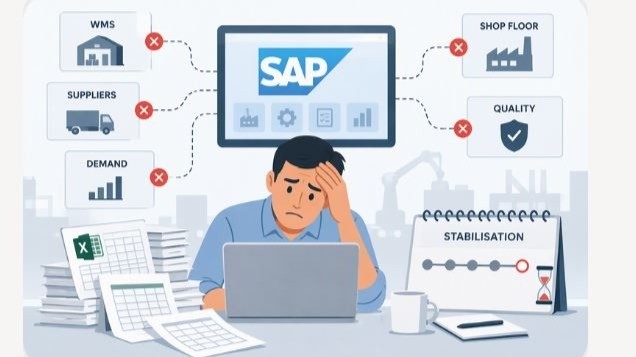
A line like "implemented SAP PPQM across 17 plants" sounds impressive, but most PPQM projects solve only part of the manufacturing data problem. Three invisible battles keep costing money after go-live: manual data entry, disconnected systems and ongoing master data maintenance.
SAP PPQM is strong on transactions, quality records, BOMs, routings and planning. It was not designed as a data orchestration layer.
- Automated data ingestion and integration
- Master data governance
- Workflow automation
- Real-time visibility and exception management
Quick diagnostic: if teams still lean on spreadsheets, manual demand uploads or disconnected WMS, the issue may be orchestration rather than SAP configuration.
4. Digital signatures don't create quality. Decisions do.
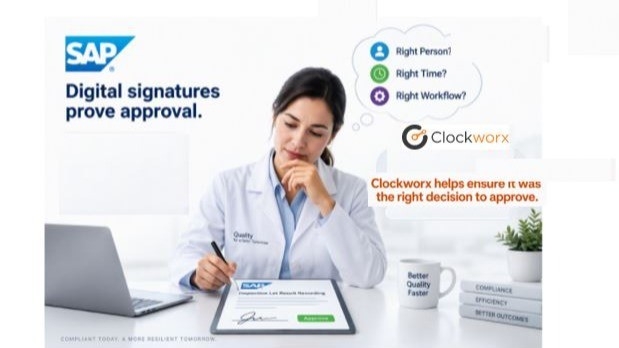
In regulated industries a digital signature is essential evidence, but it only records that a decision was made. The value sits in everything that happens before the signature: the right tests, investigated deviations, the right reviewers and complete supporting documents.
Those inputs usually live in different places: SAP, LIMS, MES, deviation tools and training records. By the time an approver is asked to sign, the real question is whether there is enough confidence to sign at all.
Clockworx orchestrates the work that leads to the signature: it checks prerequisites, chases missing evidence, escalates open issues and shows status across disconnected processes.
SAP provides the compliant signature. Clockworx provides confidence in the decision behind it.
5. Why are planners still using spreadsheets after SAP?
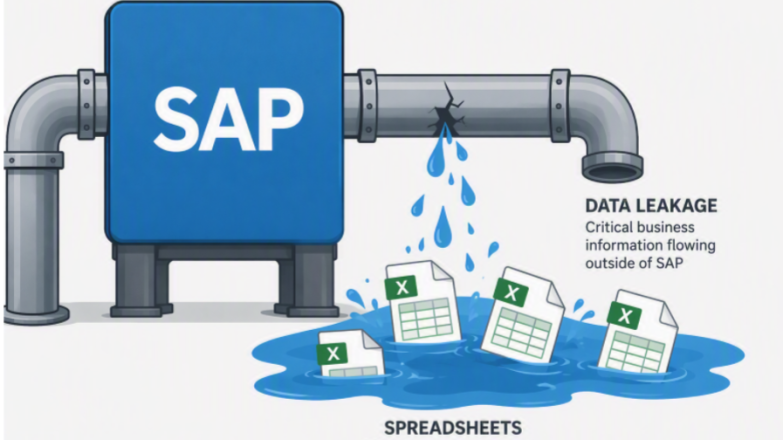
The configuration is correct, testing passed and migration is done, yet planners are back in spreadsheets and exceptions are managed by email. The problem is usually what happens around SAP, where undocumented workarounds slowly become critical processes nobody governs.
A question that reveals a lot in any customer assessment: "Show me the spreadsheets your business could not operate without." Those files point straight at the process, visibility, reporting, ownership and integration gaps.
Finding leakage is only step one. Preventing it from returning takes orchestration: configurable workflows and automated monitoring that keep processes around SAP visible, governed and measurable, without forcing every activity back into SAP.
6. SAP planned 100 bicycles. Only 70 wheels arrived. Now what?

A textbook SAP production planning example: forecast 100 bicycles, calculate the components, create production orders, build. Then a supplier says it can deliver only 70 wheel sets, and procurement, production, sales, finance and operations all need to react together.
The information is in the ERP. The coordination is not, so it drifts into email, Teams, spreadsheets, calls and meetings.
That is why the conversation is moving from system integration to business orchestration: connecting decisions, not just systems, so the business can respond when reality departs from the plan.
SAP helps plan the work. Orchestration helps manage everything that happens next.
7. Deliver smarter Finance with SAP, without rebuilding S/4
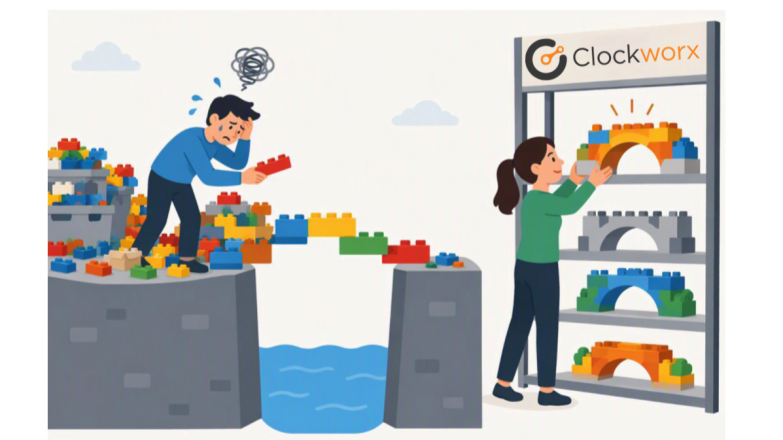
S/4HANA stays the system of record, and Integration Suite stays the connectivity layer. But building every cross-system finance flow inside them gets slow and costly once multi-ERP, third-party WMS/OMS, marketplaces and banks are involved.
The hybrid pattern: add Clockworx as a finance-focused orchestration layer for long-running processes, exception handling, reconciliations and human tasks, and call S/4 APIs only when the gates are met.
- Faster time to value: low-code templates for O2C, P2P, cash application and intercompany close
- Lower TCO: fewer S/4 customisations and integration reworks
- Agility: finance users configure rules and exception paths
- Controls: process checkpoints and audit evidence mapped to month-end
8. What would you find if you actually looked behind your SAP production orders?

Revenue, margin and cash can slip away quietly through pricing, billing, contracts and operations, month after month. A Leakage Discovery Assessment is a short, evidence-led diagnostic that finds where, quantifies the loss, explains the root causes and ends in a prioritised remediation plan.
- Pricing and discounting overrides
- Quote-to-order handoffs
- Billing, contracts and rebates
- Sync gaps between CRM, CPQ, ERP and billing
- Collections and write-offs
In production the leak is easy to miss: it gets absorbed into variances, overhead and period-end adjustments across thousands of orders until it becomes material.
How Clockworx completes SAP
Across all eight posts the pattern is the same. SAP stays the system of record, and Clockworx orchestrates the people, systems and decisions around it.
- Find the leakage: the spreadsheets, re-keying and email workarounds
- Connect SAP with non-SAP systems, without growing the SAP core
- Orchestrate exceptions and approvals so decisions are made on complete information
- Start with one problem, prove it, then expand
Spotted a gap in your own landscape? Tell us where SAP stops and the spreadsheets begin.


Comments